Pest Control Tips · Vista, CA
Termite Swarmers in San Diego County: Swarmers vs. Flying Ants
A cloud of winged insects around a window, or a pile of tiny wings on the sill, is one of the most common reasons North County homeowners call about termites. Sometimes it is termites. Sometimes it is flying ants. Telling them apart takes about ten seconds once you know what to look for, and it decides whether you have a structural problem or a nuisance.
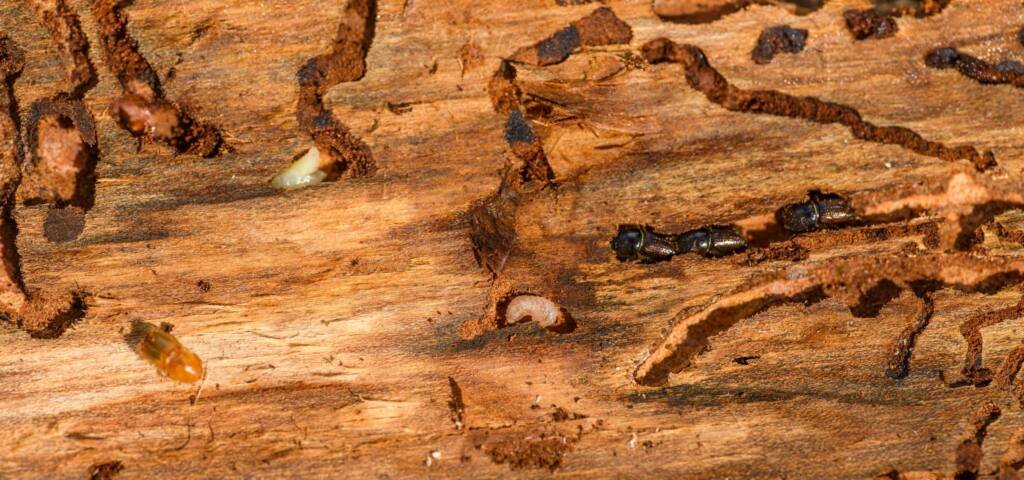
What Are Termite Swarmers?
Swarmers (also called alates) are the winged, reproductive termites a mature colony sends out to start new colonies. They fly for a short time, drop their wings, pair up and look for wood or soil to settle in. Most never make it, but the ones that do are how new infestations start. A colony is usually several years old before it swarms, so seeing swarmers indoors often means termites have been there a while.
When Termites Swarm in San Diego County
- Western drywood termites usually swarm on warm, sunny afternoons from late summer into fall. Coastal and inland homes from Oceanside to Escondido see them around attic vents, windows and lights.
- Western subterranean termites usually swarm on sunny days right after the first fall rains, and again in spring. They often emerge from cracks in slabs, garage floors, patios or the soil along the foundation.
That is why so many swarm calls come in from September through November. For a deeper look at timing, read Is Termite Season a Real Thing in San Diego County?
Termite Swarmers vs. Flying Ants: How to Tell Them Apart
- Antennae: termites have straight, bead-like antennae; ants have elbowed (bent) antennae
- Waist: termites have a thick, straight waist; ants have a narrow, pinched waist
- Wings: termites have two pairs of wings that are the same length and much longer than the body; ants have front wings that are longer than the back wings
- Wings left behind: termites shed their wings quickly, so piles of identical wings on sills are a strong termite clue
- Color: drywood swarmers are often reddish brown with smoky wings; subterranean swarmers are dark brown to black. Flying ants vary, so use the body shape, not the color
Found Swarmers? What to Do Next
- Collect a sample. Put a few swarmers or wings in a sealed bag or a piece of tape so the species can be confirmed.
- Note where they came from. A window, attic vent, light fixture, slab crack or wall outlet tells an inspector where to start looking.
- Skip the bug spray. It kills the swarmers you can see but does nothing to the colony that produced them. Vacuuming is fine.
- Look for other signs. Check for small piles of pellets (drywood) or pencil-width mud tubes on the foundation (subterranean).
- Schedule an inspection. A professional inspection confirms the species and how far it has spread, which decides the right treatment.
Not sure which kind of termite you have? Our guide on drywood vs. subterranean termites walks through the differences.
Termite Help Across North County
We inspect and treat termites in Vista and nearby cities. See our local pages for Vista, Oceanside, Carlsbad, Escondido and San Marcos.
Frequently Asked Questions
When do termites swarm in San Diego County?
Western drywood termites usually swarm on warm, sunny days from late summer into fall. Western subterranean termites tend to swarm on sunny days after the first fall rains and again in spring.
Does a termite swarm mean my house is infested?
Not always, but swarmers indoors usually mean a colony is in or very close to the structure. Swarmers outside can come from a nearby tree, fence or neighbor. Either way, it is a good time for an inspection.
Should I spray the swarmers?
You can vacuum them up, but spraying the swarmers does nothing to the colony that produced them. Save a few in a sealed bag so the species can be identified.
How can I tell a termite swarmer from a flying ant?
Termites have straight antennae, a thick waist and two pairs of wings that are the same length. Flying ants have elbowed antennae, a pinched waist and front wings that are longer than the back wings.
Seeing swarmers or wings around your home? Call us for a termite inspection and a straight answer on what you have.